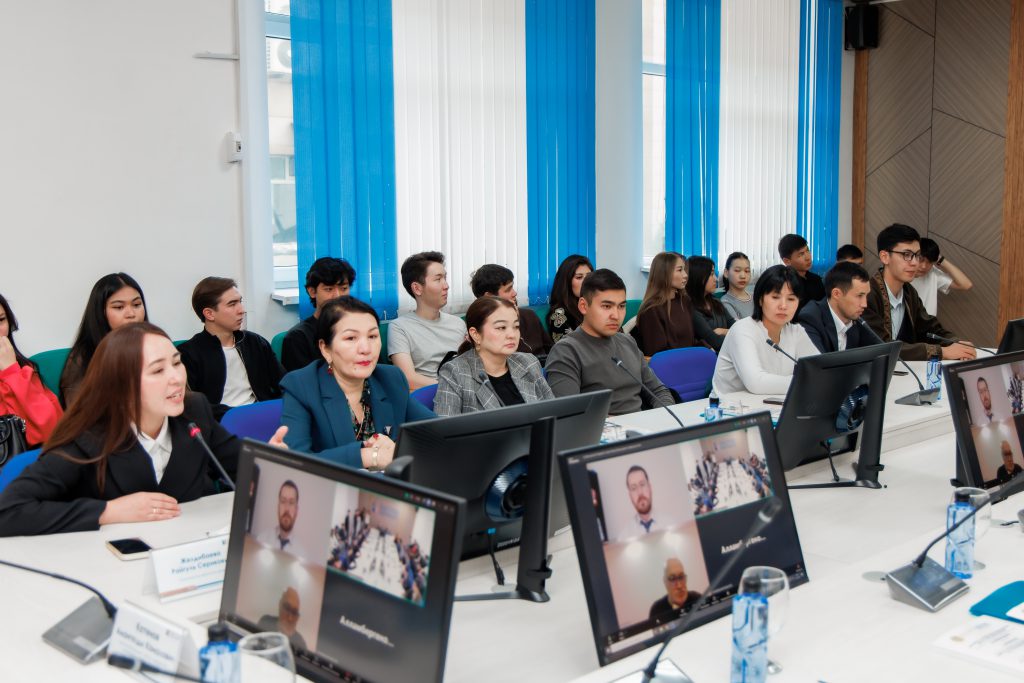
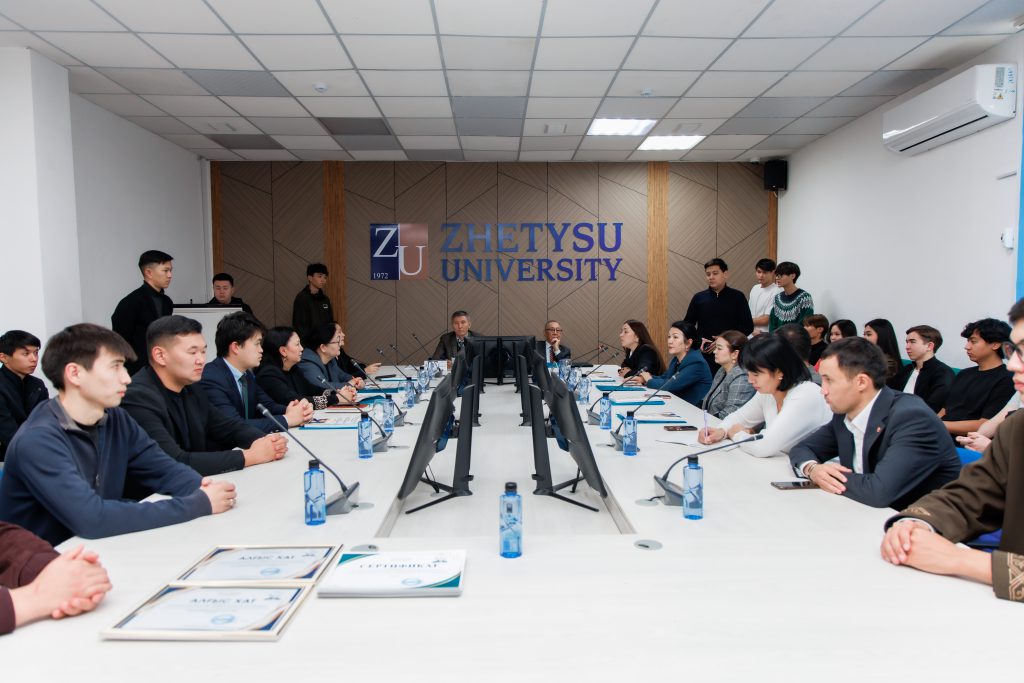
On 29 October 2026, Zhetysu University named after I. Zhansugurov hosted the international scientific and practical conference titled “Al-Farabi’s Worldview: Philosophical Ideas and Historical Context.” The event was organised within the framework of the initiatives proposed by the President of the Republic of Kazakhstan, Kassym-Jomart Tokayev, at the National Kurultai to promote the country’s spiritual and cultural heritage internationally.
The conference was held in a hybrid format and brought together scholars, university faculty members and young researchers from higher education institutions and research organisations in Kazakhstan, Uzbekistan, Türkiye and Russia.
R.S. Zheldibayeva, PhD, Dean of the Faculty of Humanities, delivered a welcoming address at the plenary session.
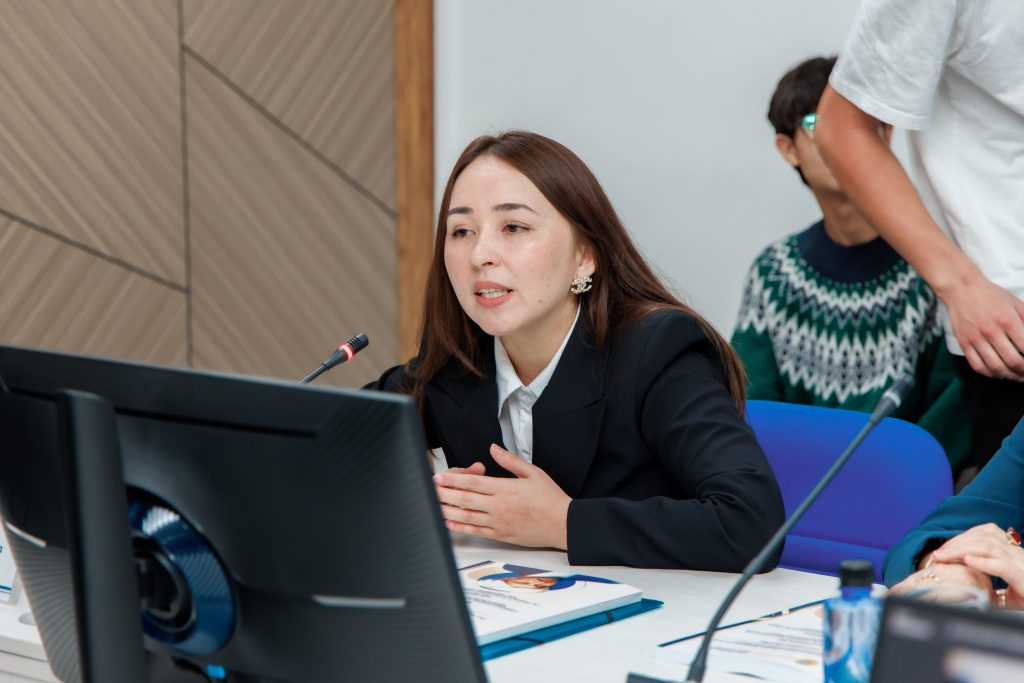
The plenary session featured presentations by Perkhan Kudaibergenovna Allambergenova, Acting Professor at the University of Journalism and Mass Communications of Uzbekistan and Doctor of Philological Sciences; Mesut Sönmez, PhD, from the Department of Turkish Language and Literature in Türkiye; and Professor Ahmet Taşağıl, PhD, from the Department of History at the Faculty of Humanities and Social Sciences of Fatih Sultan Mehmet Vakıf University. The speakers shared valuable insights into the historical and spiritual heritage of the Turkic peoples. In addition, a presentation by Ildar Gabdrakhmanovich Gizzatullin, Candidate of Pedagogical Sciences and representative of the Kazan Cooperative Institute of the Russian University of Cooperation, was submitted to the conference.
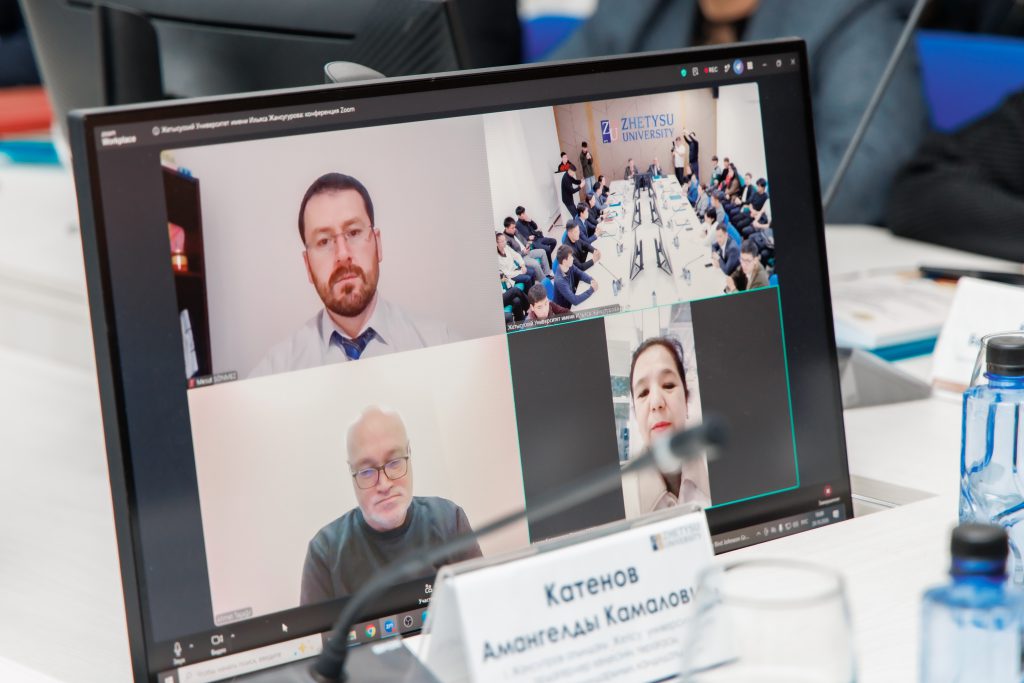
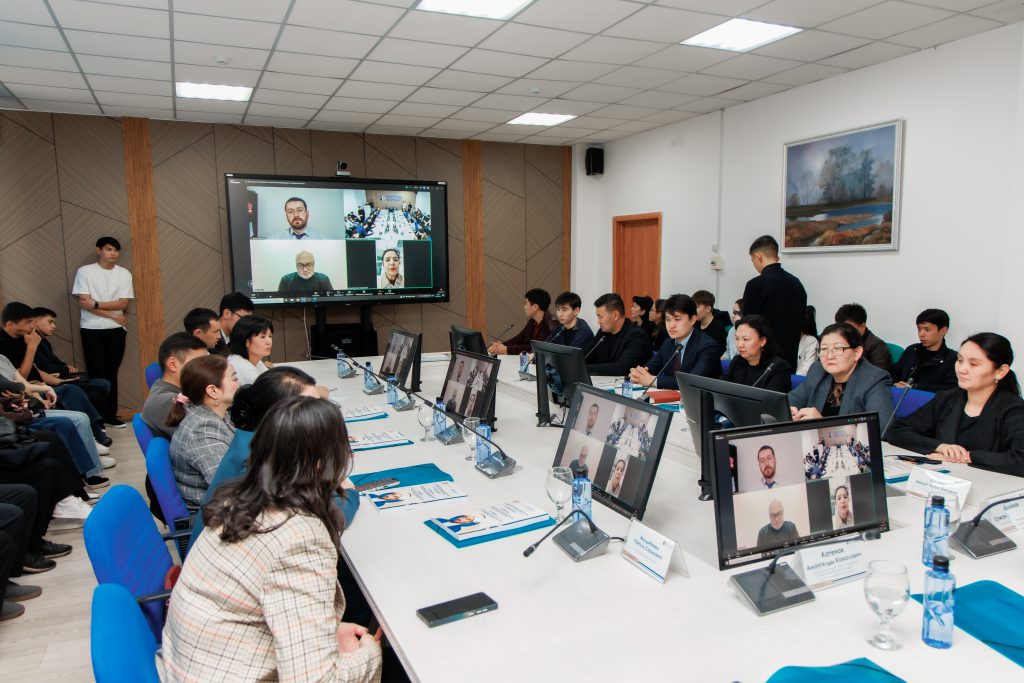
Kazakhstani scholars also delivered presentations. They included Amangeldy Kamalovich Katenov, Candidate of Historical Sciences and Honorary Professor of Zhetysu University named after I. Zhansugurov; Kulpan Nurgaziyevna Alikenova, Candidate of Philosophical Sciences and Associate Professor; and Aibek Batyrkhanuly Shalgymbekov, Candidate of Historical Sciences. They presented their scholarly perspectives on Al-Farabi’s legacy, moral values and current issues in the history of Kazakhstan.
At the conclusion of the conference, the results of the panel sessions were reviewed and scholarly recommendations were proposed. Certificates were awarded to active participants.
The international scientific and practical conference provided an opportunity to examine Al-Farabi’s rich intellectual legacy from new scholarly perspectives, promote the continuity of historical and philosophical thought, and strengthen academic cooperation between Kazakhstani and international scholars.