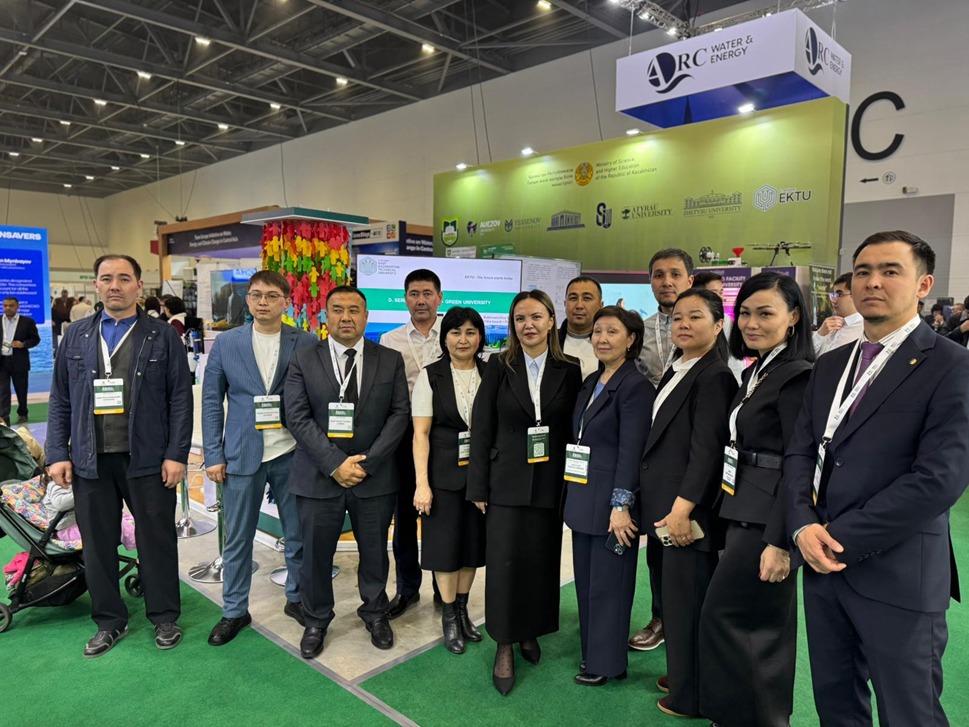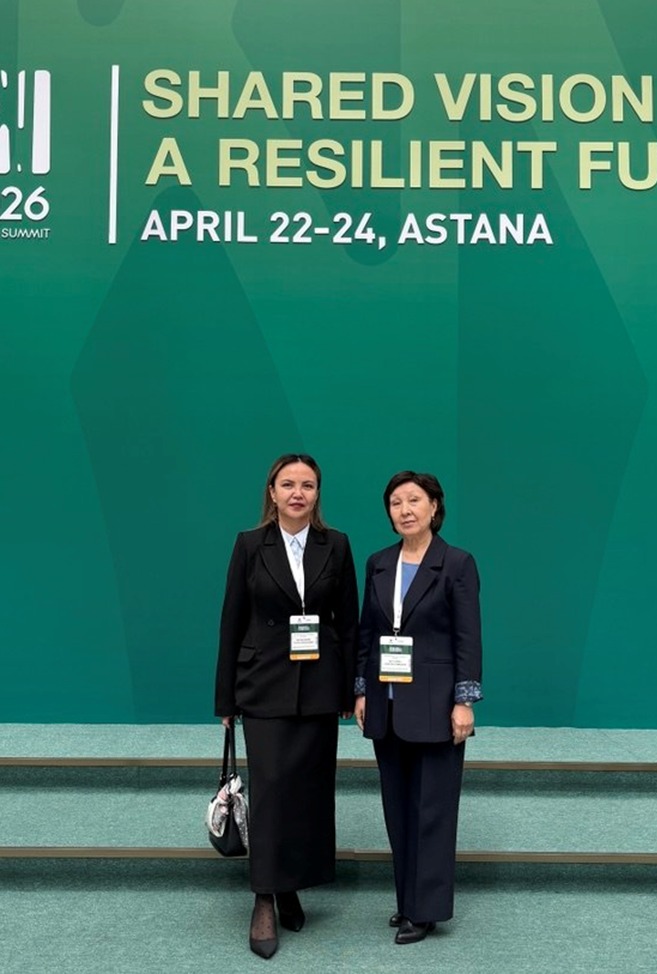
As part of research project AP27510879, “Study and Conservation of Endangered Oxytropis Species Using Biotechnological Methods,” Project Leader Lazzat Naushabayevna Karasholakova undertook a business trip to Astana from 20 to 25 April 2026 to present the scientific developments and innovative products of I. Zhansugurov Zhetysu University at the Regional Environmental Summit 2026, held with the participation of the President of the Republic of Kazakhstan.
The event aimed to discuss scientific and practical solutions to regional environmental challenges, strengthen international cooperation in sustainable development, and highlight the role of science and innovation in environmental protection and climate change adaptation.
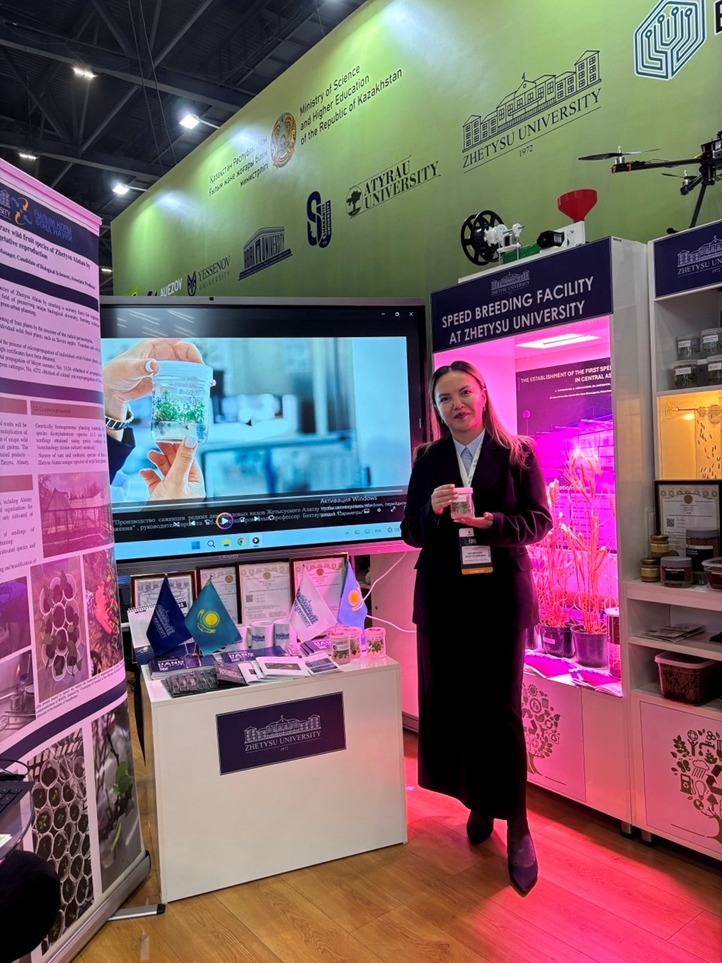
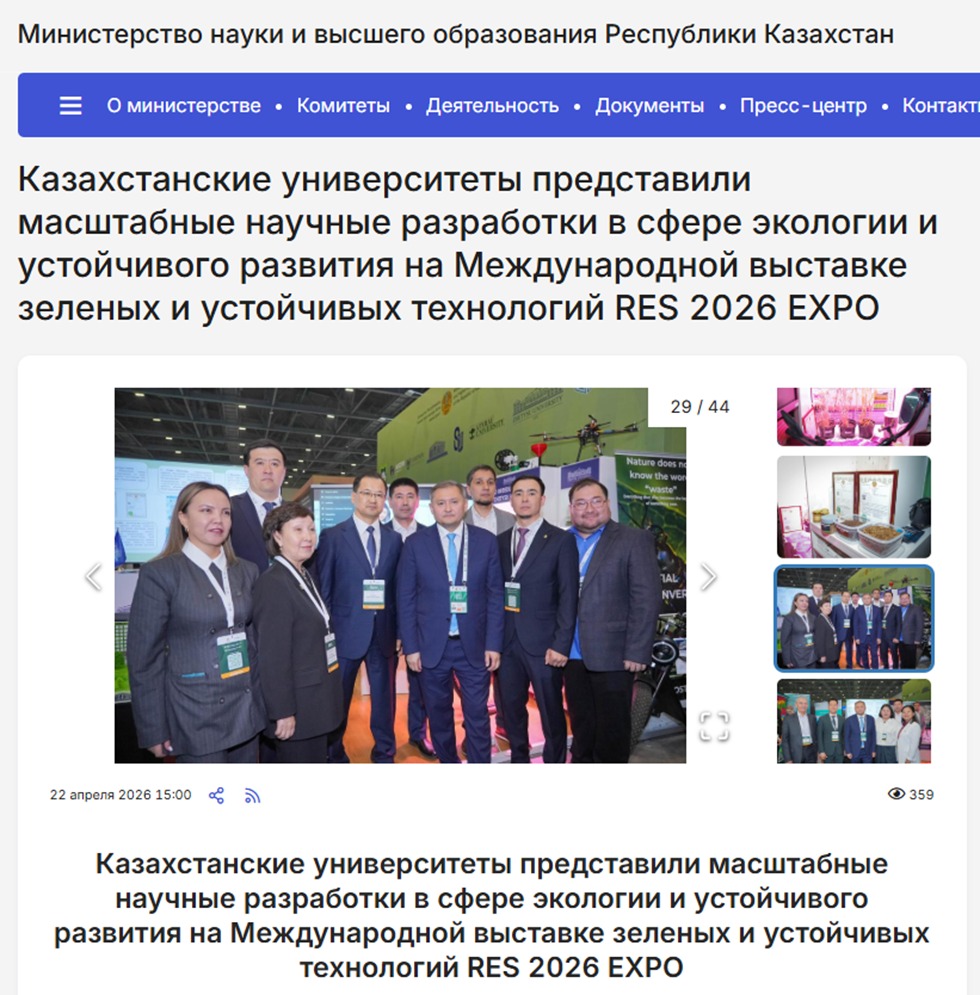
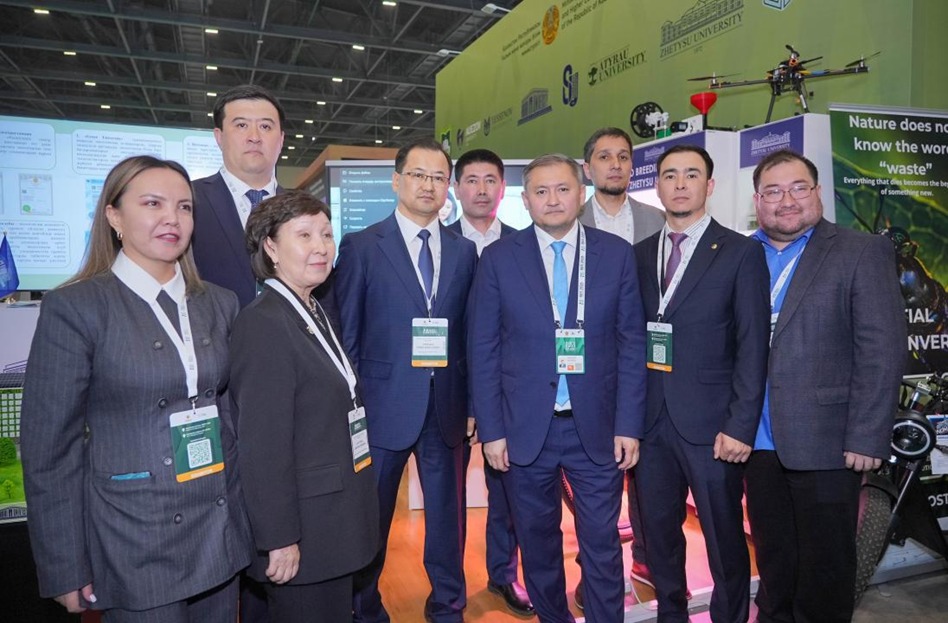
During the summit, researchers from Zhetysu University participated in RES 2026 EXPO, an international exhibition of green technologies and sustainable solutions. At the exhibition, Project Leader Lazzat Naushabayevna Karasholakova presented the research findings and innovative developments of the Plant Micropropagation Laboratory.
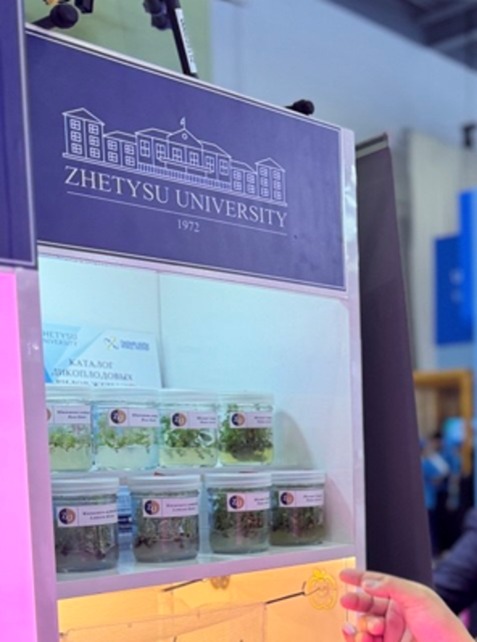
The exhibition showcased the laboratory’s principal research focus: plant micropropagation technology. This advanced biotechnological method supports the conservation and propagation of the genetic resources of rare, endangered and endemic plant species with small natural populations.
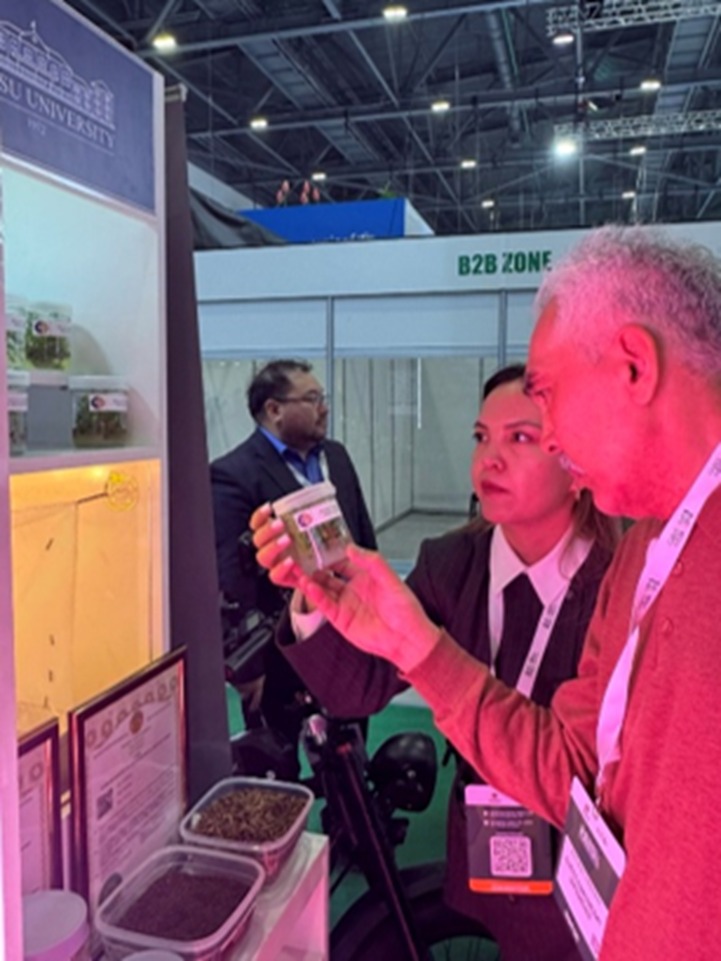
The exhibits included laboratory-grown in vitro cultures and micropropagated specimens of rare and endemic species native to the Dzungarian Alatau and the Ili–Balkhash region. Through these specimens, visitors gained first-hand insight into the advantages of micropropagation, which enables the rapid production of large quantities of healthy, virus-free planting material from limited starting material while maintaining the genetic integrity of the parent plant. Laboratory staff were also available to explain the technology and answer questions.
Particular emphasis was placed on the scientific and practical significance of this technology. Micropropagation was presented both as an effective tool for conserving the genetic resources of rare and endangered species and as an innovative approach to the mass production of drought-tolerant plants with potential applications in regional agriculture and the green economy. This aligned with the exhibition’s theme of “Green Technologies and Sustainable Development” and demonstrated opportunities to broaden the practical application of the project’s results.
During the exhibition, meetings were held with representatives of research organisations, higher education institutions, government agencies and industry. Discussions addressed the transfer of the university’s scientific developments into production, the expansion of research cooperation, and the application of innovative technologies in agriculture. Participants were also introduced to the university’s research capabilities, laboratory infrastructure, and achievements within international research projects.
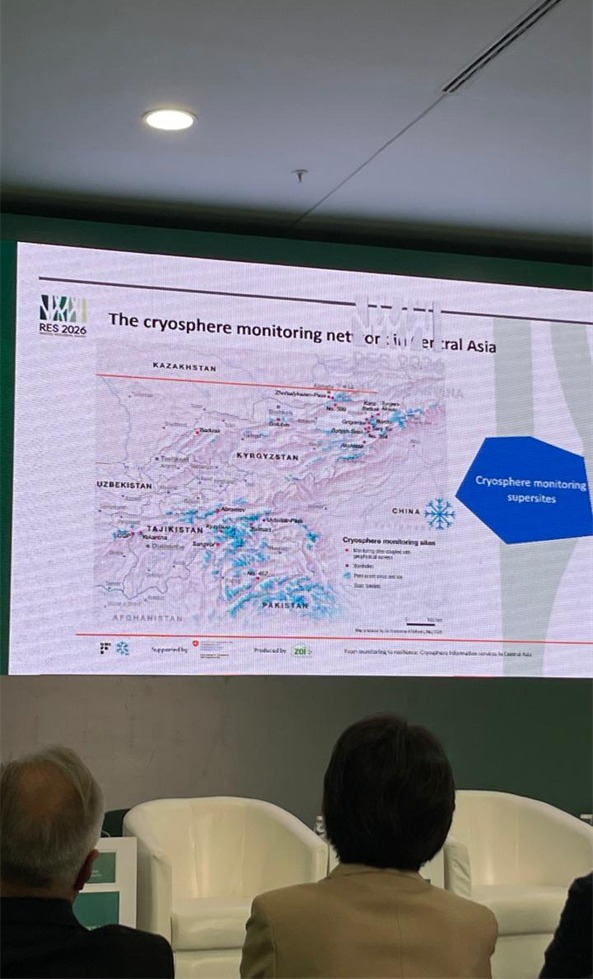
On 23 April, Lazzat Naushabayevna attended the session entitled “The Cryosphere of Central Asia: From Scientific Assessment to Joint Action on Climate Change Adaptation.”
Participation in the exhibition held as part of the Regional Environmental Summit helped raise the profile of the university’s scientific achievements, showcase its innovative green technology developments, establish new research contacts, and strengthen international scientific cooperation.