
Research Visit to Georgia
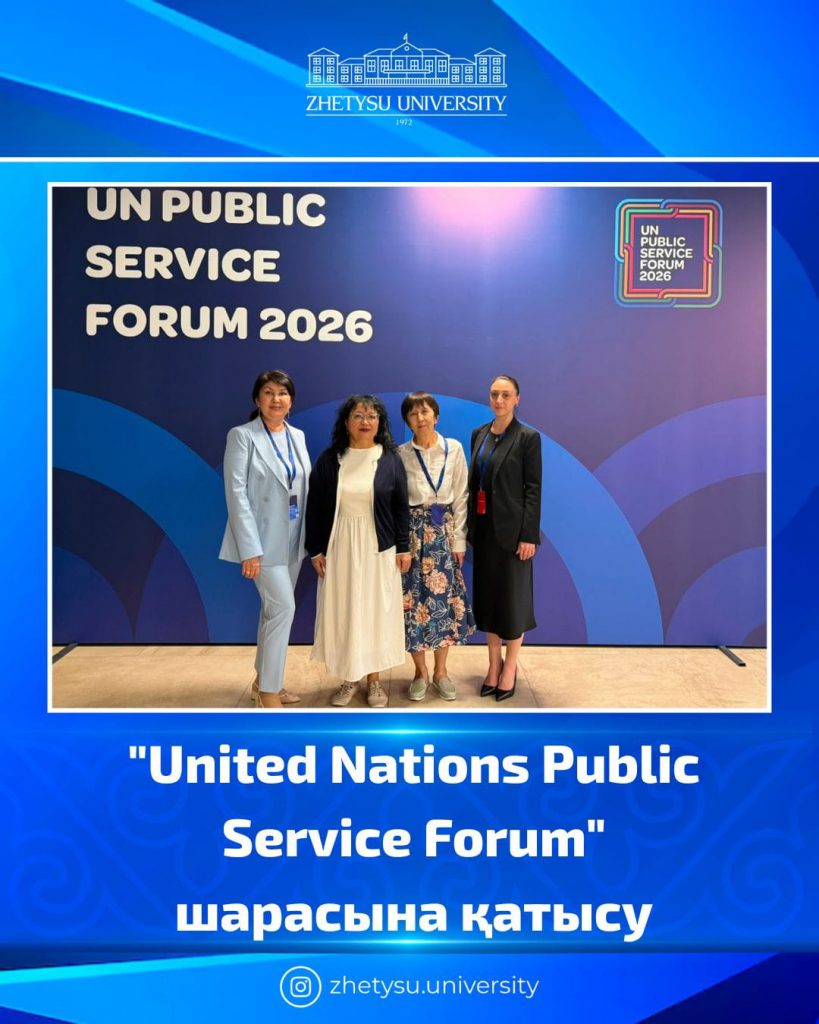
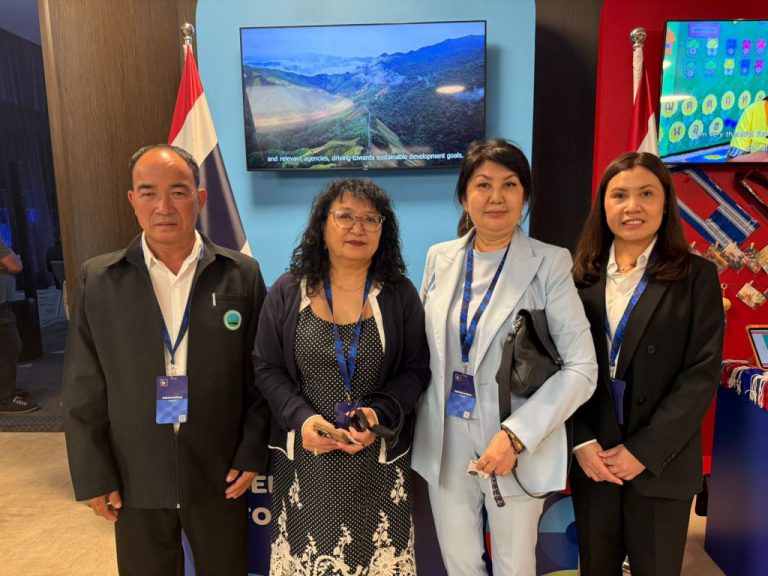
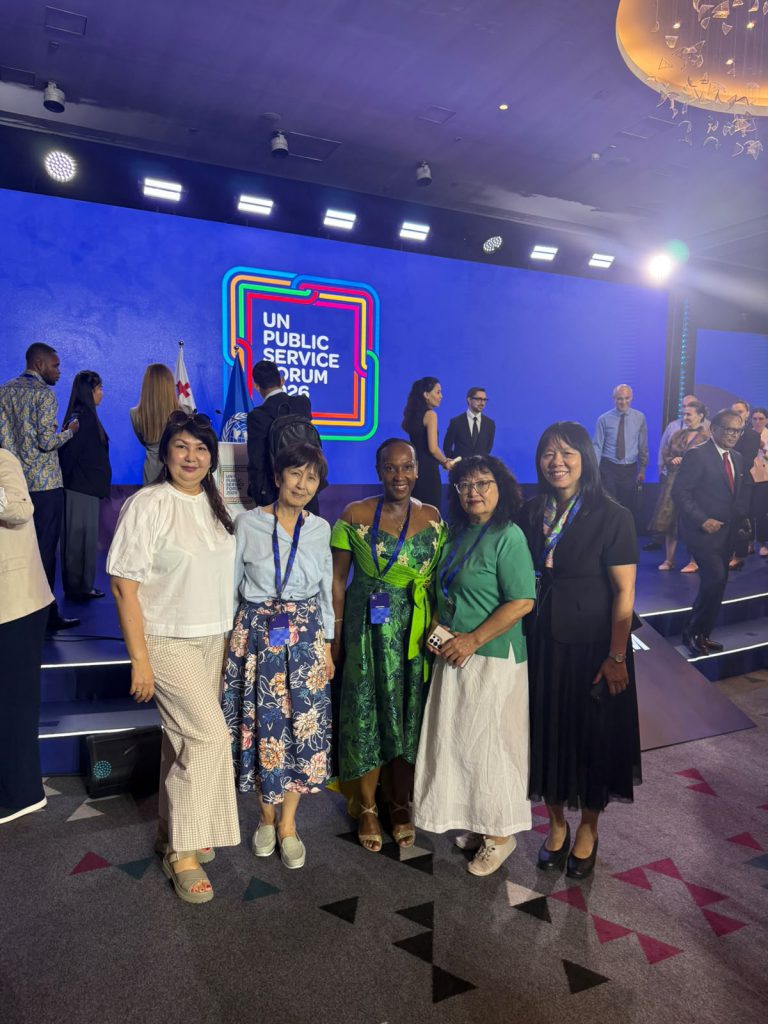
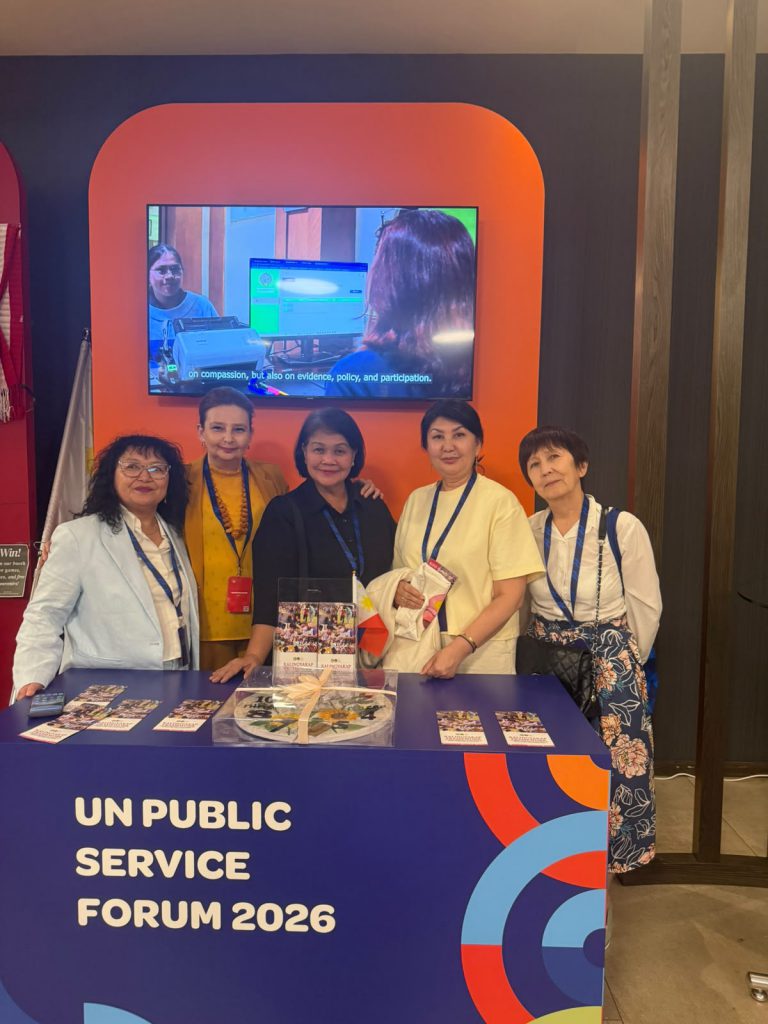
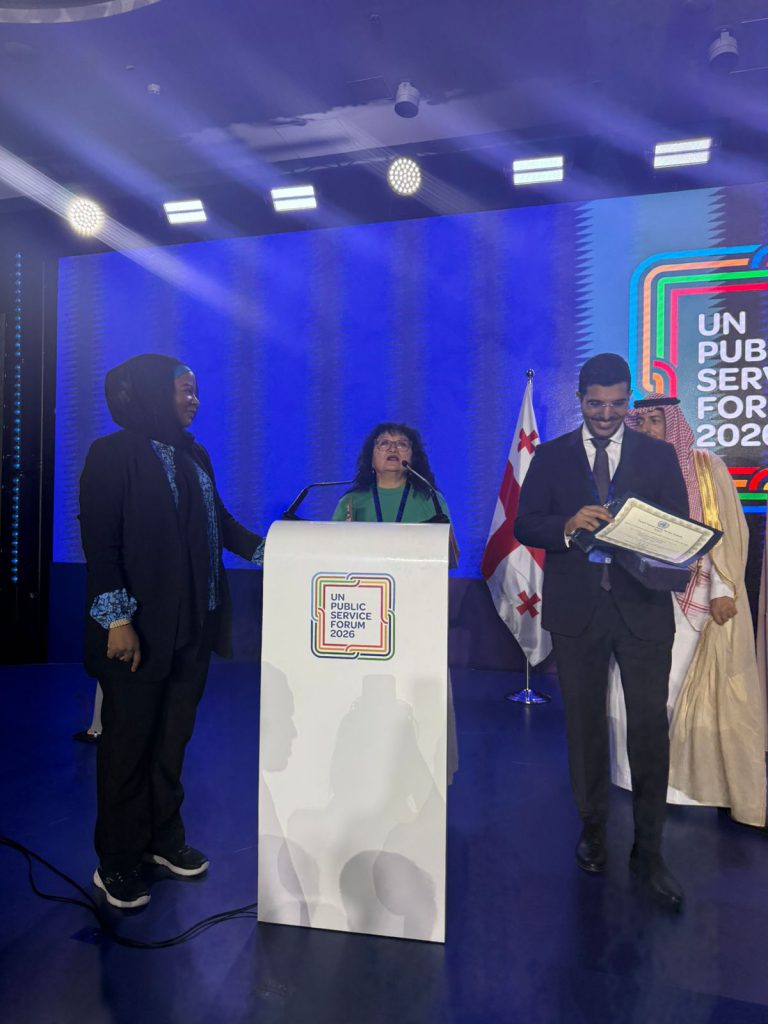
From 22 to 27 June 2026, members of the research team — B.A. Taitorina, G.U. Balgimbekova, and L.T. Zhanuzakova — undertook an official visit to Tbilisi, Georgia. The purpose of the visit was to participate in the United Nations Public Service Forum, hold working meetings with representatives of the Ministry of Justice of Georgia and experts in public administration, civil service, public-sector digitalisation, and the improvement of public service quality, as well as to establish professional cooperation.
The visit was conducted on the basis of an official invitation from the United Nations to participate in the 2026 United Nations Public Service Forum, held from 23 to 25 June 2026. The event was organised by the Division for Public Institutions and Digital Government of the United Nations Department of Economic and Social Affairs in cooperation with the Ministry of Justice of Georgia.
The primary purpose of the visit was to participate in a high-level international forum dedicated to modern approaches to transforming public institutions, developing an innovative and accountable civil service, strengthening citizens’ trust in public authorities, ensuring inclusiveness, digitalising public services, and expanding citizen participation in public decision-making.
The forum focused on the growing complexity of the challenges faced by modern public institutions, including the rapid development of technology, rising public expectations, social inequality, and the need to ensure the quality, accessibility, and fairness of public services.
During the forum, the delegation participated in plenary meetings, thematic sessions, expert discussions, and experience-sharing events and established professional contacts with participants from other countries.
The plenary session on universal public services addressed the accessibility, quality, non-discriminatory nature, and convenience of public services for different population groups. It was emphasised that access to public services should not be viewed solely as a technical or administrative task. It constitutes an essential element of the fulfilment of human rights and the state’s responsibility to ensure equal opportunities. Professional contacts were also established with representatives of the Ministry of Justice of Georgia.
As part of the research visit to Tbilisi, a collective monograph entitled “Developing Methodological Foundations for Organisational Culture in the Civil Service in the Context of Transforming Governance Paradigms”, prepared within the framework of the research programme, was presented.
The presentation of the monograph took place in the context of participation in the 2026 United Nations Public Service Forum and the development of professional cooperation with representatives of the Ministry of Justice of Georgia and the expert and academic communities. The presentation covered the project’s key research findings, including methodological approaches to studying organisational culture in the civil service, contemporary trends in the transformation of public administration, and issues related to professional ethics, integrity, citizen-centred service, accountability, and the digitalisation of the civil service.
.